
Out of the kaleidoscope of microcomputers in schools, one fact comes into focus — a successful education program requires four essentials:
1. An enthusiastic, knowledgeable teacher;
2. Clear, logical, well written teaching material, that is, units and lesson plans;
3. High quality software and documentation designed or adapted for the grade level at which it is being used;
4. Hardware capable of achieving the specified objectives.
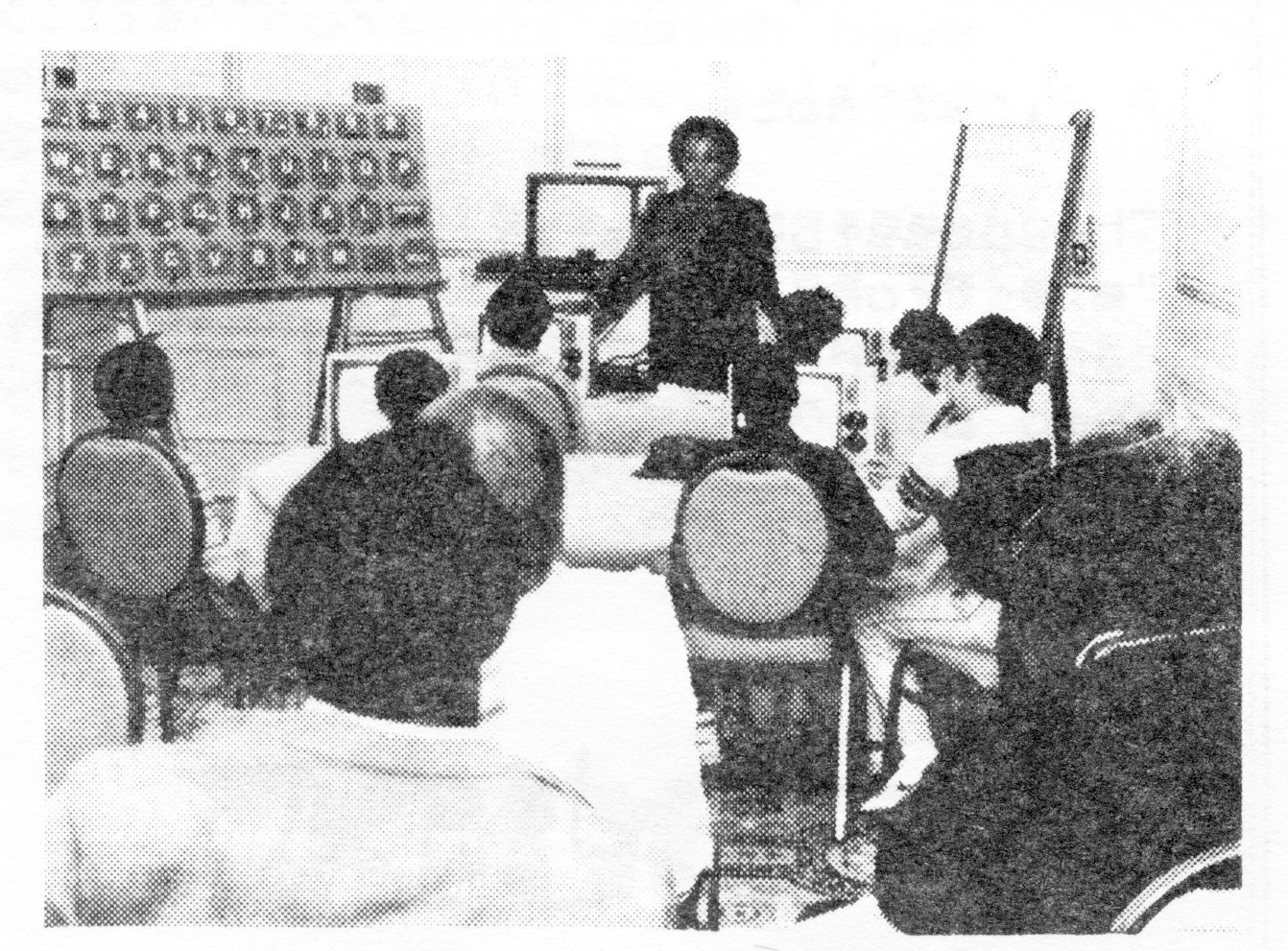
These elements are listed deliberately in descending order of importance. Contrary to some opinions about self-learning on the computer, the teacher is the essential element. Some children given sufficient time on the machine and suitable software, can learn by themselves; but most children need guidance, regardless of the level of intensity, if they are to achieve their maximum potential. The teacher must be knowledgable about the subject matter. They need not be a computer scientist, a programmer, or a computer linguist to teach fifth-graders how a computer works. But they do have to know how fifth-graders learn — and more about how computers work than what they plan to teach their class.
To be effective, teachers must be enthusisatic, especially about their particular subject matter. A computer, however, needs an additional dimension: enough enthusiasm to motivate them to read as much as is needed to stay abreast of new developments in this burgeoning field. The teacher must be aware of the best sources of information and have regular access to them in order to keep pace with rapidly changing developments. Much could be written about the requirements for effective teaching; my point here is simply that the teacher is and will remain the most important element in the four-part mix.
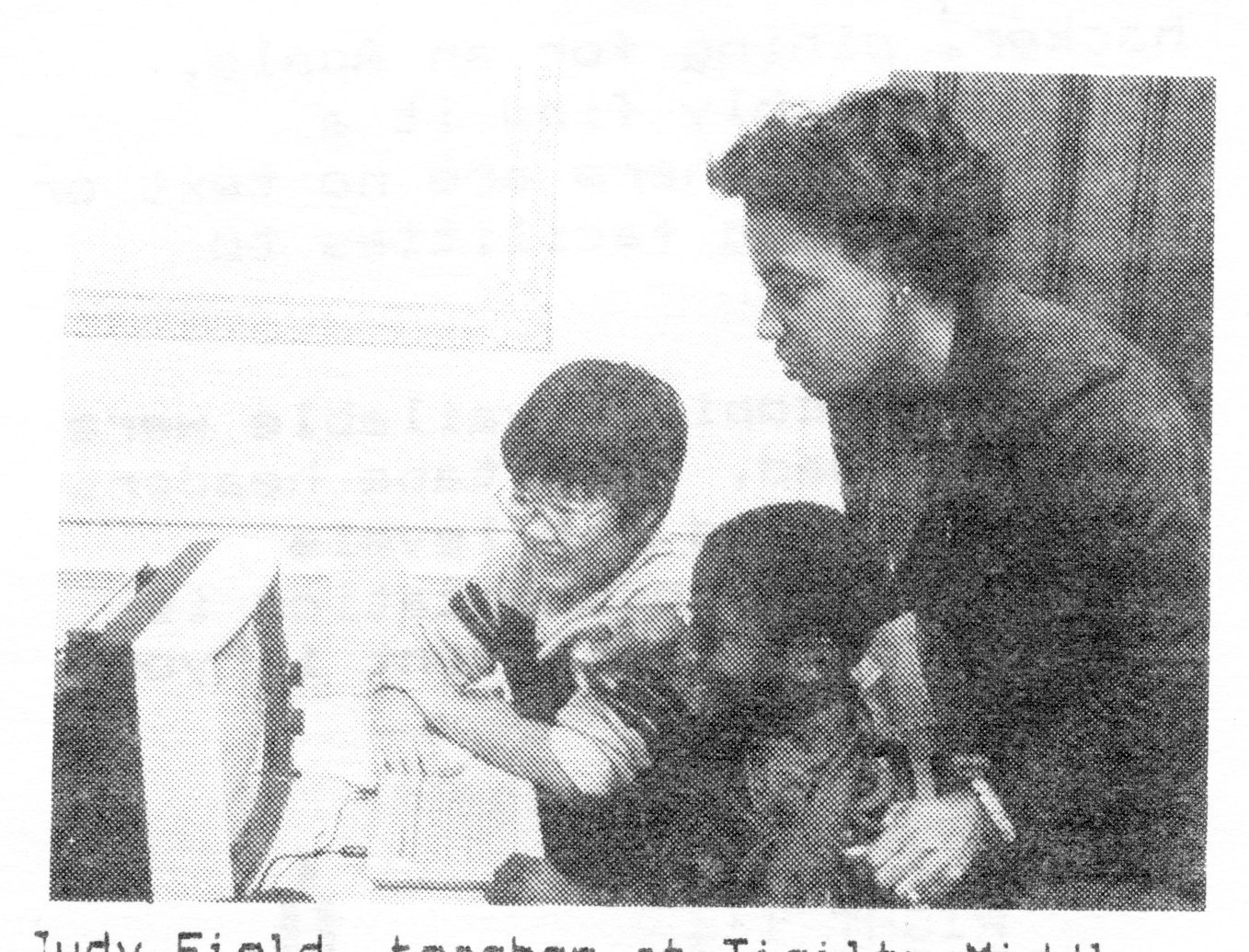
The second element is teaching material, prepared by whoever is going to use it. Styles are highly individual; as Gilbert Highet said long ago, “Teaching is an art, not a science.” Of course the teacher must be familiar with and possess a wide range of published material; this is an essential tool of the trade. However, having decided upon objectives, the teacher must personally develop the units and daily lesson plans necessary to achieve them. After this has been done, the teacher’s own material can be revised, updated, and edited and material from others can be borrowed or adapted. Over time a substantial reservoir of personal resources will be accumulated. And, just as the teachers themselves are different, the resources they select will be different.
The third ingredient for effective computer teaching is quality software. Teachers must learn how to judge software; they must know what is on the market at any given time and how and where to preview it to see if it meets their specific needs. Reading software reviews — most of which are biased to some degree — is not enough. Risking $9.95 for a Timex Sinclair tape may not seem too bad compared with $95.95 for an Apple disk. But the $9.95’s can add up fast when one considers the flood of materials coming on the market weekly! Unfortunately, although the programs represent effort on the part of the programmer, most of them are “junk,” at least for serious educational applications. “Buyer beware” is a slogan, and, if possible, teachers should try out the software before purchasing it. This applies to documentation as well, for rewriting documentation can be a long, laborious process.
The final significant element of a computer education program is hardware. A popular entertainer would have you believe that the brand name of the computer is the primary consideration, when, in fact, the situation is analogous to selecting an automobile. You can get from Boston to New York in a Volkswagen or a Cadillac in the same amount of time. One provides more creature comfort, but you pay for it. The same is true of microcomputers. Every microcomputer has its fan club whose members can recite a litany of reasons in praise of their favorite. But the over-riding question should be: What do I want to accomplish with this teaching tool? If the answer is relatively simple and unsophisticated, then the machine should match it. You don’t NEED a Cadillac to go from New York to Boston!
Of the four elements essential to a computer education program, the teacher is the most important by far. Don’t let Madison Ave. deceive you.!